TL;DR: Earthquake Preparedness Tips for Homeowners
- Secure your home now: bolt furniture, strap water heaters, and move heavy items low to prevent injuries during shaking.
- Have a family plan: everyone should know where to take cover and where to reunite after the quake.
- Building a 72-hour emergency kit with water, food, first aid, light, and tools may be your lifeline when help is delayed.
- During an earthquake, Drop, Cover, and Hold On. Don’t run outside and don’t use doorways.
- After the shaking stops, expect aftershocks and check for gas leaks, electrical damage, and structural hazards.
Download the Free Earthquake Preparedness Checklist
Earthquake Preparedness Tips Every Homeowner Should Know
Earthquakes strike without warning. One moment, everything is normal; the next, the ground is shaking, objects are flying, and every second matters. The difference between panic and survival often comes down to preparation.
These earthquake preparedness tips are designed specifically for homeowners who want practical, realistic steps they can take before, during, and after an earthquake to protect their families and their homes.
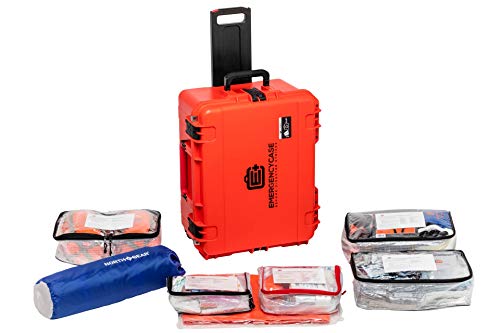
Emergency Case – Premium Family 2 Person Case – 5 Emergency Kits built into 1 Case!
- ✅ STORE ANYWHERE AND EVACUATE IN 60 SECONDS: A durable pack that contains a 5 kit emergency system. One mobile…
- ✅ 5 KITS IN 1 EMERGENCY SYSTEM: Sleep & Shelter Survival Kit, Tools & Safety Survival Kit, Food & Water Survival…
Last update on 2026-01-05 / Affiliate links / Images from Amazon Product Advertising API
Related: How To Survive an Earthquake
Why Earthquake Preparedness Matters
Unlike storms or floods, earthquakes don’t give advance notice. You can’t evacuate ahead of time; you can only rely on what you’ve already done to prepare.
That means:
- Securing your home ahead of time
- Knowing exactly what to do when shaking starts
- Having supplies ready when help may be delayed
Preparedness isn’t fear-based. It’s about control.
Earthquake Preparedness Tips Before an Earthquake
The most important work happens long before the ground starts shaking.

Secure Your Home
Loose items become dangerous projectiles during an earthquake.
Room-by-Room Earthquake Anchor Priority List
Not everything needs to be anchored, but the wrong unsecured item can seriously injure or kill during an earthquake. Start with these high-risk areas:
Living Room
- Bookcases and display shelves
- TVs and entertainment centers
- Wall-mounted mirrors and artwork
Kitchen
- Refrigerators
- Tall pantries or storage cabinets
- Overhead cabinets holding heavy dishes
Bedrooms
- Dressers and wardrobes
- Shelving units near beds
- Lamps or mirrors mounted above head level
Garage
- Water heater
- Tool racks and storage shelving
- Freezers or upright cabinets
- Anchor the heaviest items first, especially anything that could fall where people sleep or gather.
Build an Earthquake Emergency Kit
After a major earthquake, emergency services may be overwhelmed for days.
Essential Earthquake Safety Hardware
These inexpensive items dramatically reduce injuries and damage during earthquakes:
- Furniture anchoring straps and brackets
- Water heater seismic straps
- Cabinet safety latches
- Flexible gas line connectors
- Non-slip shelf liners
- Bedside flashlights or headlamps
Hardware upgrades are a one-time effort that pays off every time the ground shakes.
Earthquake Preparedness Tips During an Earthquake
When the shaking starts, your goal is to protect yourself immediately.

Drop, Cover, and Hold On
This simple method saves lives.
Drop, Cover, and Hold On: Correct Positioning
Doing it right matters.
- Drop to your hands and knees to prevent being knocked over
- Cover your head and neck under sturdy furniture or against an interior wall
- Hold on firmly, furniture can move during shaking
If no table is available:
- Crouch low
- Cover your head and neck with your arms
- Stay away from windows and tall furniture
Doorways are not safer. Running outside increases injury risk.
Sale

LifeStraw Personal Water Purifier for Hiking, Camping, Travel, and Emergency Preparedness
- Removes Bacteria & Parasites: The Microfiltration Membrane Removes 99.999999% of Waterborne Bacteria (Including E. Coli and…
- Removes Microplastics: Removes the Smallest Microplastics Found in the Environment (Down to 1 Micron), and Reduces Turbidity…
Last update on 2026-01-05 / Affiliate links / Images from Amazon Product Advertising API
If You’re in Bed
- Stay where you are
- Cover your head with a pillow
- Hold on until shaking stops
Broken glass and falling objects are far more dangerous than staying put.
If You’re Outside or Driving
- Move away from buildings, power lines, and trees
- If driving, pull over and stop, stay inside the vehicle
- Avoid bridges and overpasses if possible
Earthquake Preparedness Tips After an Earthquake

The danger doesn’t end when the shaking stops.
Watch for Aftershocks
Aftershocks can be strong enough to cause additional damage.
- Stay alert
- Avoid entering damaged buildings
- Be ready to Drop, Cover, and Hold On again
Check for Hazards
Before settling in, inspect your surroundings.
Utilities Shutoff Mini Guide
After an earthquake, damaged utilities can turn a bad situation into a deadly one.
Gas
- Turn off only if you smell gas or hear hissing
- Use a wrench to shut the valve perpendicular to the pipe
- Do not turn the gas back on yourself; call the utility company
Water
- Shut off if pipes are broken or the water is contaminated
- The main shutoff is usually near the street or where the line enters the house
Electricity
- Shut off if you see sparks, damaged wiring, or flooding near outlets
- Stand to the side and look away when flipping breakers
Knowing how to shut off utilities before an earthquake prevents hesitation when seconds matter.
No products found.
Communicate Smartly
Phone networks may be overloaded.
- Use text messages instead of calls
- Check in briefly with family
- Listen to battery-powered radios for updates
Extra Earthquake Preparedness Tips for Homeowners
- Learn how to shut off gas, water, and electricity
- Consider earthquake insurance if you live in a high-risk area
- Keep sturdy shoes and a flashlight near your bed
- Store tools for basic repairs and debris cleanup
Prepared homeowners recover faster, physically, financially, and emotionally.
Final Thoughts on Earthquake Preparedness Tips
Earthquakes are unpredictable, but your response doesn’t have to be.
By following these earthquake preparedness tips, you take control before disaster strikes. Securing your home, preparing supplies, and knowing what to do during shaking can dramatically reduce injuries and chaos when it matters most.
Preparedness isn’t paranoia, it’s responsibility.
Don’t wait for the ground to shake
Don’t rely on memory when the ground starts shaking. Start applying these earthquake preparedness tips today and turn chaos into control when it matters most.
Report a life-threatening emergency
If there’s a life-threatening emergency, don’t hesitate to call for help. Cell and hard-line phone systems might be jammed, so you need to send a text message. Text messages take less bandwidth and may push through when voice calls are not possible.
Watch this video and check out the things that you need in the event of an earthquake!
Earthquake Preparedness Tips: Frequently Asked Questions
- What are the most important earthquake preparedness tips?
The most important earthquake preparedness tips include securing heavy furniture, creating a family emergency plan, preparing a 72-hour supply kit, and knowing how to Drop, Cover, and Hold On during shaking. - What should homeowners do before an earthquake?
Before an earthquake, homeowners should secure furniture and appliances, store emergency supplies, identify safe spots in each room, and practice earthquake drills with their household. - What is the safest action to take during an earthquake?
The safest action during an earthquake is to drop to the ground, cover your head and neck under sturdy furniture, and Hold On until the shaking stops. Running outside is dangerous due to falling debris. - What should you do immediately after an earthquake?
After an earthquake, check yourself and others for injuries, watch for aftershocks, inspect for gas leaks or electrical hazards, avoid damaged buildings, and use text messages to communicate if phone lines are down. - How long should an earthquake emergency kit last?
An earthquake emergency kit should last at least 72 hours, including water, food, first aid supplies, flashlights, batteries, and essential documents. In high-risk areas, longer preparedness is recommended.
Penny for your thoughts? Tell us what you think about these tips by dropping your two cents in the comments below.
Ultimately, you want to make sure you’re equipped to handle any disaster before it happens. Here’s how.
Get the Everstryke Lighter from our Amazon store. Use NCSAVE10 to enjoy a really awesome discount.

Looking for more earthquake survival tips? Check it here!