72-Hour Blizzard Preparedness Action
- Shrink your world to one room (The Heat Pocket) to hold body heat for the first 3 days of power failure.
- Store 3 gallons of potable water per person inside the warm zone and drain all household pipes to prevent flooding.
- Rely on high-fat, high-density fuel (Pemmican/Nuts) to maintain metabolic heat without using a stove.
- Use SMS-bursting and NOAA weather radios to stay informed during the 72-hour blackout.
- Survival is a 3-day sprint; preserving existing energy is 10x more efficient than trying to create new heat without power.
Mastering blizzard preparedness is the difference between surviving a 3-day grid failure and suffering through a life-threatening disaster. When a high-impact nor’easter slams a coastline, it severs the grid and leaves you in a race against dropping temperatures for a critical 72-hour window. We saw this reality manifest just hours ago in New York City (Feb 22-23, 2026). Mayor Zohran Mamdani was forced to issue a citywide travel ban as 22 inches of snow and 70mph winds paralyzed the metro. As reported by local emergency channels, this historic event proves that even in a modern metropolis, your blizzard preparedness for the first 72 hours is the only thing standing between your family and the freeze.
How to Set Up a Warm Zone
During a 72-hour grid-down freeze, your home stops being a shelter and starts being a heat-sink. If you’re researching how to stay warm during a power outage in winter, understand that trying to heat your entire floor plan for 3 days is a tactical error. SurvivalLife doctrine dictates that you must shrink your world to a single, hyper-insulated “Heat Pocket.” By establishing a 10-minute micro-climate, you transform a freezing house into a manageable 72-hour sanctuary.
You’ll need the following four specific components to build a warm zone:
- The Skeleton: Use Adjustable Tension Rods to create “blanket doors” in any hallway. They’ll act as the structural frame for your 72-hour thermal seal.
- The Heat Mirror: Duct-tape Mylar Reflective Sheets directly to the interior glass of your windows to reflect 90% of your body heat back into the room.
- The Convection Barrier: Drape Heavy Moving Blankets over the Mylar to create a secondary layer of dead-air insulation that stops convection currents.
- The Floor Gasket: Use a Draft Snake or a weighted fabric tube at the base of every door to seal the cold air leaking in during the 72-hour event.
Sale

Frocopo 6 Pack Emergency Mylar Blanket, Emergency Blanket Space Blanket Survival Rescue Insulating…
- 6 PACK EMERGENCY BLANKETS: Designed for outdoor use, emergency blankets are perfect for hiking, camping, and mountaineering…
- Premium Thermal Protection: Designed to provide warmth, windproof, and waterproof protection, these blankets effectively…
Last update on 2026-02-24 / Affiliate links / Images from Amazon Product Advertising API
(As an Amazon Associate, we earn from qualifying purchases.)
How to Protect Your Drinking Water and Pipes
Water is the lifeblood of your home, but it becomes a liability during a 72-hour freeze. Many homeowners ask how to prevent pipes from freezing without power, and the answer is the “72-Hour Pressure Trap.” Filling a tub is a “civilian move” that ignores the risk of pipe-bursting pressure. True hydro-continuity requires a 72-hour supply stored within your warm zone and fully drained plumbing.
Secure your water supply and protect your plumbing by executing these four critical steps:
- The Flow Cut-off: Locate your Main Water Shut-off Valve and fully close it to stop municipal water from pushing into your pipes.
- The Gravity Drain: Open the Lowest Faucet in your home to pull all standing water out of the pipes before it can freeze and expand.
- The Liquid Reserve: Keep at least 3 gallons of Stored Potable Water per person inside your Heat Pocket so it stays liquid and ready for 72 hours of use.
- The Sanitation Liner: Line your toilet with Waste Management Bags and use kitty litter to absorb liquids, protecting you from sewage backups during the blackout.
How to Prepare Food Without Cooking

High-stress environments demand fuel, but cooking in a sealed 72-hour micro-climate is a recipe for condensation. When looking for the best no-cook emergency food for blizzard conditions, remember that moisture is the enemy of insulation. Every liter of water you boil releases humidity, which compromises your thermal protection. The 72-hour no-cook protocol prioritizes high-fat lipids that provide internal heat without a spark.
Fuel your body for 72 hours and maintain your dry micro-climate with these four nutrition standards:
- Internal Fuel: Stock on Macadamia Nuts and Pemmican as they contain “slow-burn” fats that’ll help your body maintain consistent heat for hours.
- Ready-to-Eat Protein: Stock Pop-Top Canned Meats like tuna or chicken to provide the protein required for 72 hours of muscle-shivering thermogenesis.
- Energy Bursts: Use Dark Chocolate and Dried Fruit to provide an immediate energy spike for physical tasks like shoveling out an exhaust vent.
- The Anti-Humidity Rule: Follow the 72-Hour No-Cook Mandate by rejecting any meal that requires a stove dial or propane burner inside your sealed room.
How to Get Updates If Cell Service Fails
Proper blizzard preparedness for 72 hours includes a PACE plan (Primary, Alternate, Contingency, Emergency) to ensure you can receive NOAA updates even if broadband fails.
Maintain a lifeline for 72 hours by diversifying your communication through these four channels:
- Primary: Use your Smartphone on “Low Power Mode” and stick to SMS texting, which uses less power to get through during the 72-hour window.
- Alternate: Use a Satellite Messenger like a Garmin InReach to communicate directly with satellites when towers are iced over.
- Contingency: A battery-powered or hand-crank NOAA Weather Radio is non-negotiable for receiving 72 hours of government emergency broadcasts.
- Emergency: Use GMRS or FRS Handheld Radios for short-range communication with neighbors during the 72-hour travel ban.
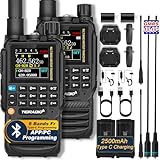
TIDRADIO TD-H3 GMRS Radios Handheld, APP/Web Bluetooth Programming, 8-Band Long Range Walkie Talkies…
 【The Top GMRS Radio TD-H3】Easy to switch GMRS/Ham/Normal(Unlock), 3-in-1 radio, seamlessly switch to the appropriate…
- 【Multi-Band Transmitting & Receiving】 Powerful technical makes TD H3 GMRS radio supporting 8 bands frequencies…
Last update on 2026-02-24 / Affiliate links / Images from Amazon Product Advertising API
Remember that during a freeze, metabolic heat and thermal insulation are as important as external power sources. Secure these critical supplies now so that your family remains warm, hydrated, and informed during a whiteout.
DOWNLOAD THE BLIZZARD PREPAREDNESS CHECKLIST
FAQs: 72-Hour Blizzard Preparedness & Survival
- How can I stay warm at home if the power goes out for 72 hours? The most effective way is to shrink your living space immediately. Focus on one small interior room, seal windows with Mylar, and block door drafts. This 72-hour micro-climate is the foundation of blizzard preparedness.
- Should I leave faucets dripping for the full 72 hours? No. In a long-term grid-down event, it is safer to shut off the main water valve and drain the pipes entirely. This ensures there is no water left to expand and burst the pipes during a 3-day freeze.
- What’s the best no-cook food to prepare during a blizzard? Prioritize high-fat items like nuts, peanut butter, and canned meats. These provide the calories your body needs to generate heat internally for 3 days without increasing indoor humidity.
- How long can a house stay warm during a blizzard? A standard home will drop to dangerous levels within 6 to 12 hours. Creating a “Heat Pocket” micro-climate can keep a single room 15-20 degrees warmer for the entire 72-hour duration.
- How do I get emergency alerts during a 72-hour blackout? Always keep a battery-operated NOAA weather radio with fresh batteries. These radios receive government signals that do not rely on cellular towers or local internet providers.